The Serengeti is the southern anchor of the Mara ecosystem, the other half of the migration that the Masai Mara closes the loop on. It is vast, it demands more nights than most travellers expect, and the reward for giving it that time is a landscape that moves with wildlife almost every hour of the day. The migration is not a single event but a loop, and the months you choose decide which part of it you watch. Getting the timing right matters more than any other planning decision. This guide walks through the migration calendar, where to stay, what it costs and how to build the trip around the seasons.
Why the Serengeti is different
The Serengeti is the southern anchor of the Mara ecosystem, and the two parks share a single migration route. The difference is scale. The Serengeti is vast, the distances are long, and the camps that see the best action are spread across the park. Travellers who expect to cross it in a day come away frustrated; those who give it four or five nights tend to come back.
Photo: Giles Laurent / Wikimedia Commons, CC BY-SA 4.0
The migration loop, month by month
Every year roughly 1.3 million wildebeest, a quarter-million zebra and trailing herds of gazelle follow the rain between the Serengeti and the Mara. January and February bring the calving season in the southern Ndutu area, where the grass is short and the predators gather. March and April see the herds push north, and May brings the first river crossings in the western corridor. June and July concentrate the herds on the Grumeti River, and by July the main crossings at the Mara River begin. August, September and October keep the herds in the Mara, and by November the loop is heading south again.
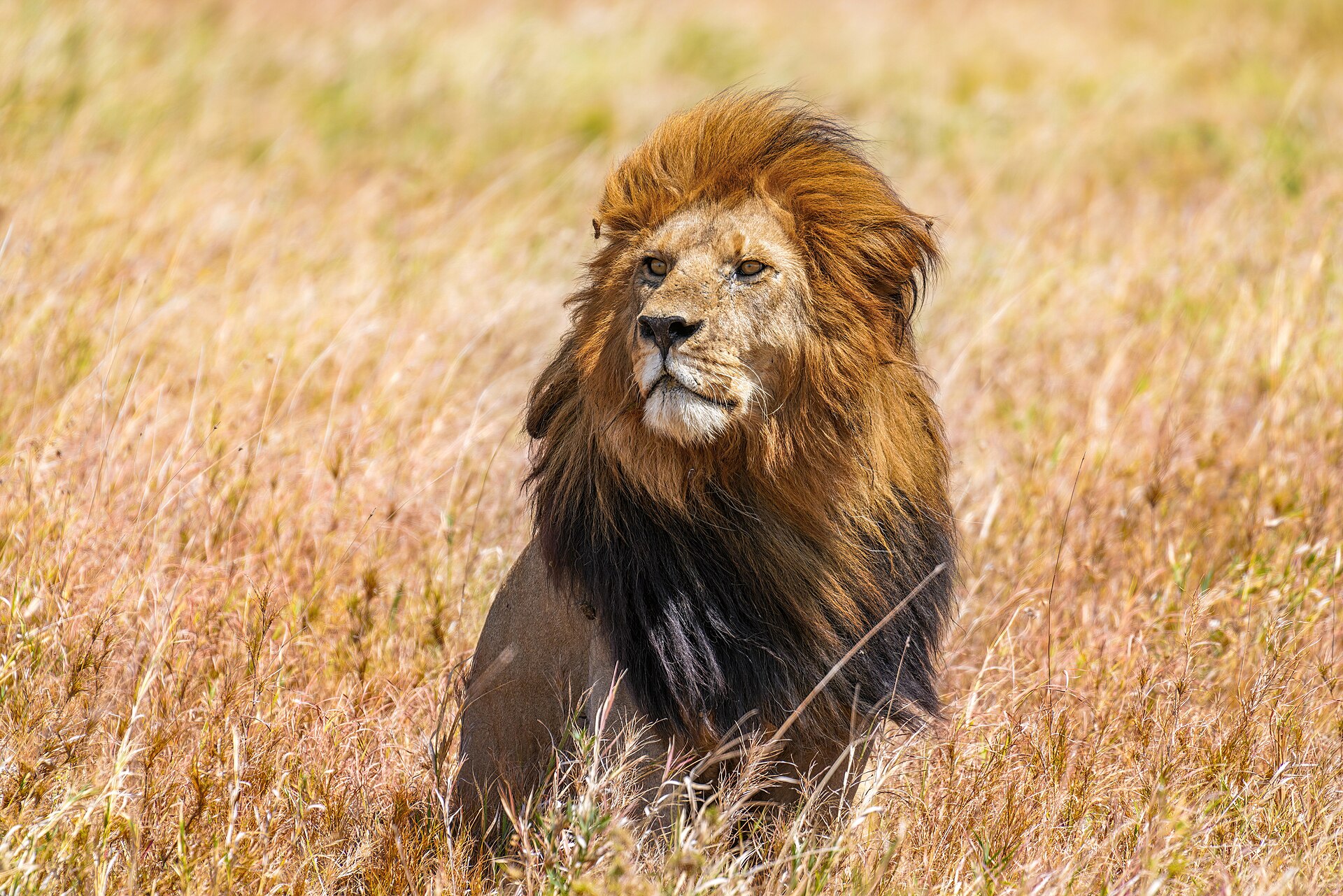
Photo: Giles Laurent / Wikimedia Commons, CC BY-SA 4.0
The two river crossing seasons
The crossings are the headline act, and they happen in two waves. The Grumeti River crossings in the western corridor come first, usually in May and June, and they are quieter than the Mara crossings but still worth building a day around. The Mara River crossings between July and October are the famous ones, the ones where vehicles stack up on the bank and the herds mass for hours before one animal steps in and the rest follow. The crossings are not choreographed, and patience is the skill they teach.
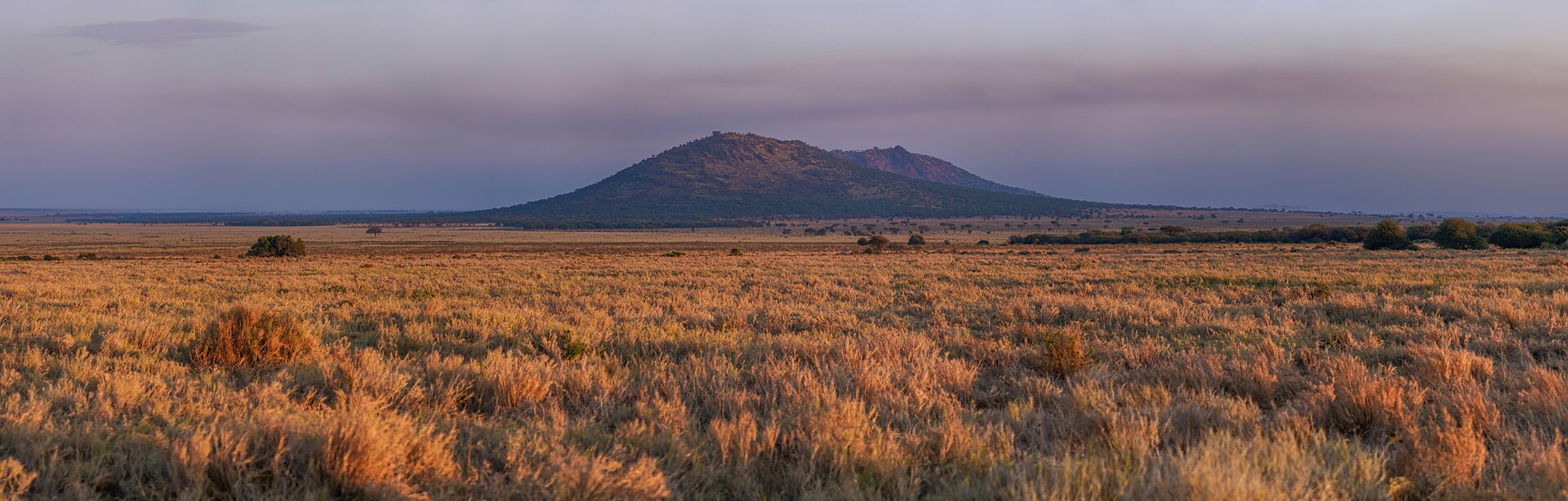
Photo: Giles Laurent / Wikimedia Commons, CC BY-SA 4.0
Where to stay on the route
The Serengeti splits into the central Seronera area, the western corridor, the northern frontier near the Mara River and the far south near Ndutu. Each camp serves a different season. Seronera works year-round because resident predators do not follow the migration. The western corridor camps earn their keep in May and June, and the northern camps between July and October. Mobile camps that move with the herds offer the best sightings but demand flexibility on dates.

Photo: Giles Laurent / Wikimedia Commons, CC BY-SA 4.0
Costs and park fees breakdown
The Serengeti carries one of the highest park fee schedules in East Africa, and the figure moves by age and residency. Park fees alone can run into the hundreds of dollars for a multi-day trip, before lodging and transport. Add internal flights from Arusha or Kilimanjaro, a single fly-in fly-out Serengeti trip can push well above a thousand dollars a person. Group joining tours shave the per-person cost by sharing vehicles and guides.
Photo: Giles Laurent / Wikimedia Commons, CC BY-SA 4.0
How to plan a Serengeti safari
A classic Serengeti itinerary needs at least four nights. Two nights in the central area for resident predators, two nights in the north for the river crossings, and one night on the way in or out. Flights from Arusha to the Serengeti airstrips save a full day of driving each way. The Serengeti pairs naturally with the Ngorongoro Crater, which is a day drive or a short flight away, and many travellers do both in a single trip.

Photo: Giles Laurent / Wikimedia Commons, CC BY-SA 4.0
Combining with Ngorongoro and Tarangire
The northern circuit loops Arusha, Tarangire, Ngorongoro and the Serengeti into one road trip, and it is the most common way first-time visitors structure the journey. Tarangire is worth a day for its elephant herds and baobabs. Ngorongoro is worth a full day for the crater floor and its wildlife density. The Serengeti earns three to five nights, and the road back to Arusha takes another day.
Responsible travel notes
The Serengeti works because tourism pays for the land, and the park fees fund the anti-poaching units that keep the wildlife populations stable. Choosing a camp that hires local guides, pays fair wages and limits its footprint is the practical way to keep it working. The migration does not perform on demand, and the camps that respect the park rules are the ones that earn their license year after year.
Related guides
- Masai Mara Safari Guide: Big Five, Migration and Best Time to Visit
- 10 Things to Do in Uganda: Gorillas, Nile and the Parks Most People Skip
- How Hard Is the Gorilla Trek? Fitness, Altitude and the Shape of the Day
- Rwanda or Uganda for Gorilla Trekking: An Honest Comparison
- 3 Days Gorilla Trekking in Rwanda
- 1 Day Akagera National Park Safari
Plan it with a local expert
Every Map Start journey is private and can be adjusted to your dates, interests and preferred pace.