The Masai Mara is the classic Kenyan safari, the place where the Great Migration crosses the Mara River and the Big Five share one stretch of grassland. It draws more visitors than almost any park in East Africa, and the travellers who get the most out of it are the ones who plan around three decisions: which side of the river to stay on, when to go, and how many nights to give it. This guide walks through those choices with current details on fees, camps and the migration calendar.
The geography of the Mara
The Masai Mara is the Kenyan half of a single ecosystem that Tanzania’s Serengeti continues to the south. The Mara River cuts across the north, and the open grassland of the Mara Triangle rolls west of it. Most vehicles work the eastern side near the Talek and Sekenani gates, which is why the Mara Triangle side stays noticeably quieter. For travellers who want big river crossings without a crowd of cars, the western triangle is the first decision to make.

Photo: Weldon Kennedy from London, UK / Wikimedia Commons, CC BY 2.0
The Great Migration explained
Every year roughly 1.5 million wildebeest, a quarter-million zebra and trailing herds of gazelle loop between the Serengeti and the Mara, following the rain. In the Mara months of July to October the herds pile up at the Mara River, and the river crossings at places like Kichwa Tembo become the single most watched wildlife moment in Africa. The crossings are not choreographed. The herds mass on the bank for hours, sometimes days, before one animal steps in and the rest follow.

Photo: Weldon Kennedy from London, UK / Wikimedia Commons, CC BY 2.0
When to go: month by month
The dry season from late June to October is the classic window because animals concentrate around the river and the grass is short enough to see across. July and August bring the main crossings in earnest. September and October are often better for fewer vehicles at the river. The short rains in November green the plains back up, and the December to February window is warm, dry and quiet, though the migration has moved south into the Serengeti.
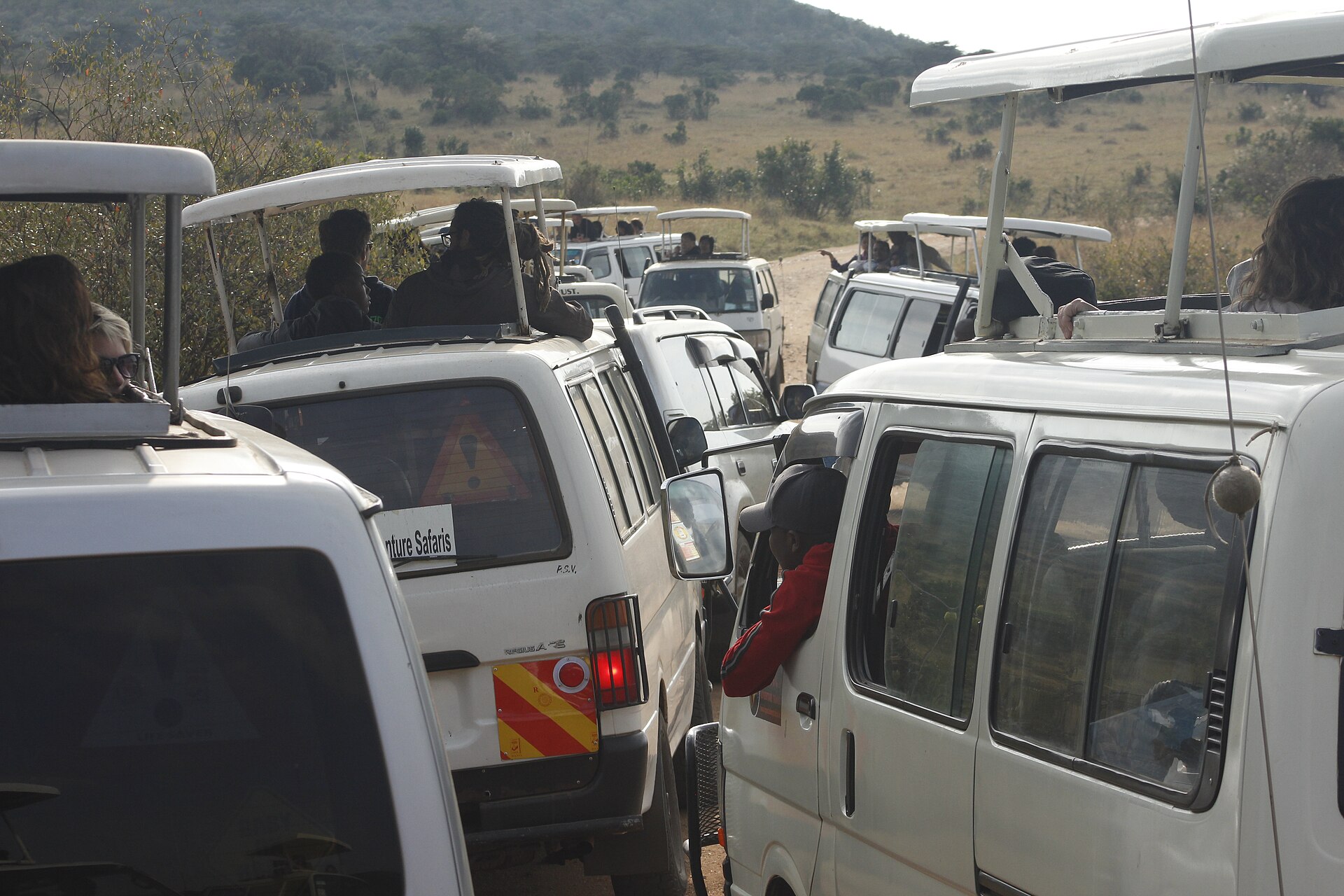
Photo: Weldon Kennedy from London, UK / Wikimedia Commons, CC BY 2.0
Where to stay: the three camps zones
The Mara splits into three practical zones. The Triangle side is wild and lightly visited. The central and eastern sections around the Talek River have the densest camp choices and easiest access to the river crossings. The private conservancies on the northern boundary, Naboisho and Ol Kinyei among them, cap vehicle numbers and permit night drives, which makes them the choice for photographers and anyone who wants the bush to themselves.

Photo: Weldon Kennedy from London, UK / Wikimedia Commons, CC BY 2.0
What you will actually spend
A Mara day costs more than a day in most Kenyan parks because the park fee is among the highest in the country and the best camps sit at a premium. Budget camps and group tours start around 150 to 250 dollars a person, mid-range tented camps run 250 to 450, and the famous lodges run well above that. Flights from Nairobi to the Mara airstrips add roughly 200 to 400 dollars a leg. All of these figures need confirmation at booking time.
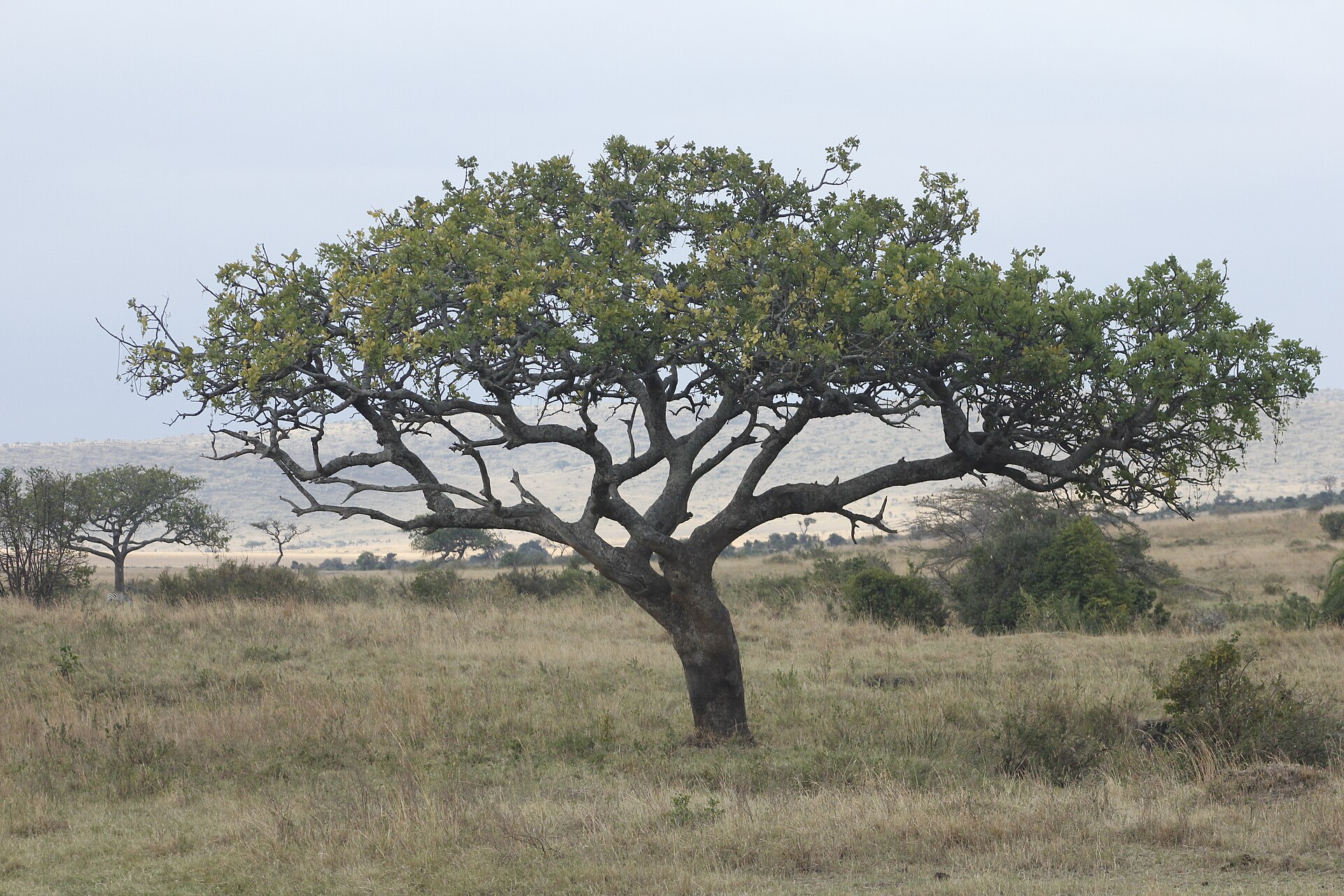
Photo: Weldon Kennedy from London, UK / Wikimedia Commons, CC BY 2.0
The conservancies question
The conservancies are the single best value trick in the Mara. They charge a conservancy fee instead of the national park fee, they limit vehicles to a handful per sighting, and they allow off-road driving and evening game drives that the park forbids. The trade is that the migration only crosses through parts of them, so June to August park time still matters. A mixed stay, some park, some conservancy, is what most repeat visitors end up recommending.

Photo: Weldon Kennedy from London, UK / Wikimedia Commons, CC BY 2.0
How to put the trip together
A classic first-timer week starts with two nights in the park for the migration, then two nights in a conservancy for quiet drives, then a day drifting back toward Nairobi, often with a stop at Lake Naivasha. Internal flights shorten the road time considerably. The Mara is 5 to 6 hours by road from Nairobi, and the last stretch is rough enough that many travellers fly one way and drive the other.
Responsible travel notes
The Mara works because tourism pays for the land. Park fees and conservancy fees fund rangers who stop poaching, and Maasai landowners earn from conservation instead of selling land for farming. Choosing a camp that employs local guides, hires from nearby villages and runs on solar power is the practical way to keep it working. Avoid anything that offers close-up interactions with wild animals, and keep your distance at sightings.
Related guides
- Masai Mara Safari Guide: Big Five, Migration and Best Time to Visit
- 10 Things to Do in Uganda: Gorillas, Nile and the Parks Most People Skip
- How Hard Is the Gorilla Trek? Fitness, Altitude and the Shape of the Day
- Rwanda or Uganda for Gorilla Trekking: An Honest Comparison
- 3 Days Gorilla Trekking in Rwanda
- 1 Day Akagera National Park Safari
Plan it with a local expert
Every Map Start journey is private and can be adjusted to your dates, interests and preferred pace.